
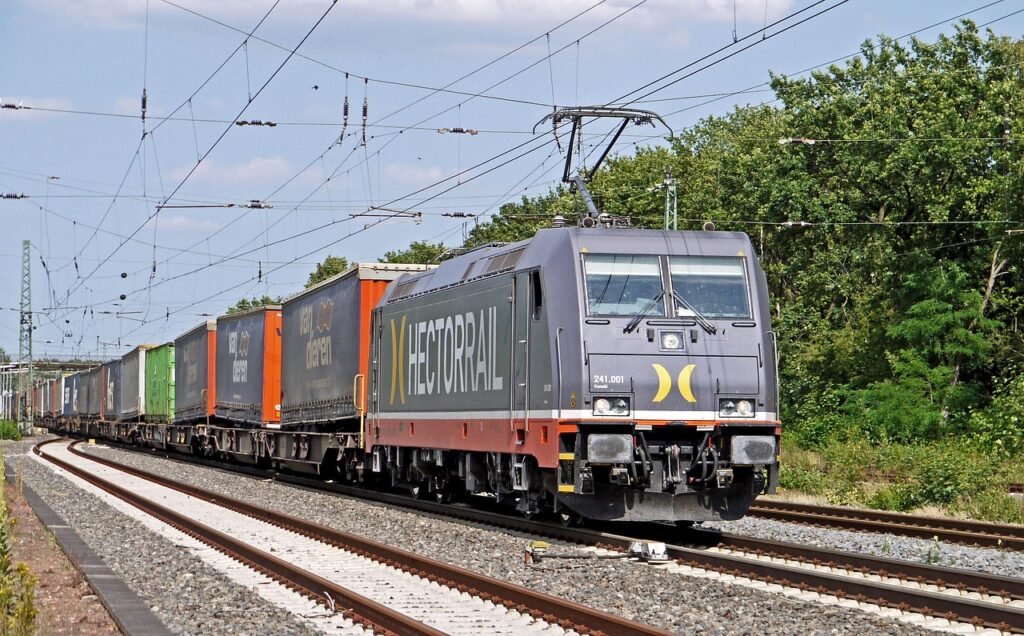
Recent transportation data reveals that intermodal freight volumes have experienced a notable expansion, reinforcing broader shifts within North American supply chains. Total U.S. freight moved by rail climbed 4.7% year over year during the tracked weekly reporting period. This overall upward trajectory was primarily spearheaded by an 8.3% surge in intermodal traffic, signaling robust demand for combined rail and highway shipping services.
For logistics professionals, shippers, and freight forwarders, tracking weekly rail performance provides vital intelligence regarding consumer demand, inventory replenishment cycles, and the efficiency of domestic trade corridors. Understanding the underlying drivers of this growth helps supply chain managers optimize routing strategies and anticipate capacity shifts across North American networks.
Analyzing the Surge in Intermodal Freight Volumes
The remarkable 8.3% increase in intermodal transport highlights how cargo owners increasingly utilize rail networks to manage long-haul freight efficiently. Intermodal shipping—which combines the line-haul efficiency of rail with the door-to-door flexibility of trucking—serves as a primary barometer for retail goods movement, manufacturing inputs, and international container distribution originating from major marine gateways.
When intermodal traffic expands at such a pace, it typically indicates steady container discharges at major ports making their way inland. Importers and exporters rely heavily on these fluid rail corridors to bypass congested highway networks, reduce overall transportation expenditures, and lower their carbon footprint. The latest weekly figures demonstrate that rail operators are capturing a larger share of domestic modal split as supply chain stakeholders prioritize cost-effective, high-capacity transport solutions.
Broader Implications for the Freight Market
The 4.7% overall growth in weekly U.S. rail freight reflects broader economic resilience and consistent industrial activity. While bulk commodities and industrial raw materials form a foundational baseline for rail networks, the sharp acceleration in containerized and trailer-based intermodal traffic points directly to consumer goods and wholesale distribution demand.
For logistics operations, expanding intermodal volumes influence equipment availability, including container chassis, well cars, and locomotive power. When intermodal activity accelerates sharply, drayage operators and terminal yards must adapt quickly to maintain smooth handoffs between ocean carriers, rail ramps, and final-mile trucking fleets. Any sudden localized surge can introduce operational bottlenecks if intermodal terminal gates and storage yards experience heavy congestion.
Operational Considerations for Shippers and Logistics Providers
Supply chain decision-makers must evaluate how rising rail and intermodal activity impacts their long-term logistics planning. Key operational factors to monitor include:
- Equipment Availability: Increased demand for intermodal containers and domestic equipment can tighten local availability, requiring closer coordination with rail providers and asset-owning intermediaries.
- Transit Time Reliability: While rail offers high volume capacity, busier networks require shippers to build buffer times into their inventory planning to accommodate potential scheduling adjustments.
- Drayage Capacity: The first- and last-mile truck drayage connecting marine ports and rail ramps to warehouses remains a critical link that must scale alongside rail volume growth.
- Cost Management: Monitoring modal economics helps logistics buyers balance the trade-offs between over-the-road truckload shipping and long-distance intermodal transport.
What Industry Participants Should Monitor Next
As the freight market progresses through subsequent reporting cycles, supply chain participants should closely observe whether this intermodal momentum represents a temporary seasonal spike or a sustained structural shift. Key indicators to watch include weekly rail carload data, Class I railroad velocity metrics, marine container import volumes at major North American gateways, and drayage pricing trends.
By closely analyzing weekly performance data, logistics professionals can better navigate capacity fluctuations, manage operational risks, and maintain resilient supply chain networks across domestic and international trade lanes.
Source: FreightWaves and industry statistical reports